
A home inspection is one of the most important steps in the home-buying process, and it tends to generate anxiety on both sides of the deal. Buyers worry about what the inspector will find, and Sellers worry about what findings will cost them. First-time buyers, especially, can feel overwhelmed by a process they’ve never been through before.
The good news is that understanding what to expect takes most of the uncertainty out of it. A home inspection is not a test with a pass or fail result. Rather, it is an informational tool that helps buyers make informed decisions and helps sellers understand what they’re working with before the deal moves forward.
Whether you are buying or selling in New Hampshire or Maine, this guide walks you through what the inspection process involves, how to prepare, and how to use the results to your advantage.
What Is a Home Inspection?
A home inspection is a visual assessment of a house’s physical structure and mechanical systems performed by a licensed professional.
It typically takes 2-4 hours to complete for an average-sized home. The goal is to evaluate the property’s condition accurately and document findings in a detailed written report.
Home inspections typically occur after the seller has accepted the buyer’s offer but before closing, allowing time for negotiations based on findings. Most purchase agreements include an inspection contingency giving the buyer a set window to complete the inspection, review the report, and decide how to proceed.
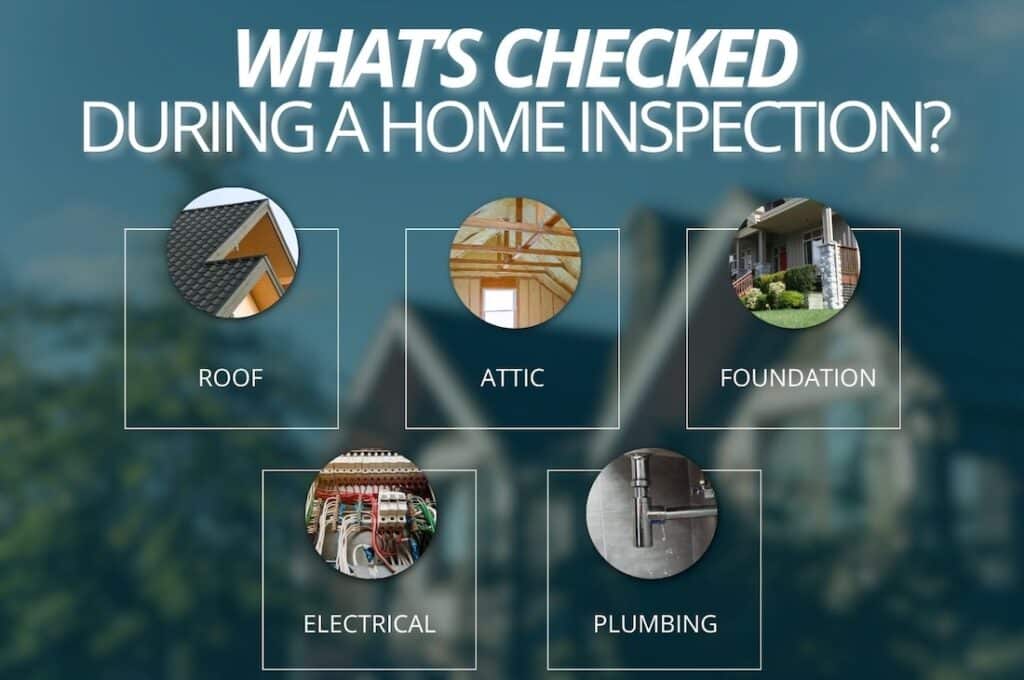
A standard home inspection covers the roof structure and covering, foundation, exterior components, crawl space, electrical panel and visible wiring, plumbing system, HVAC systems, water heater, interior walls, ceilings, floors, windows, doors, and other appliances.
It does not cover specialized systems like septic tanks, sewer lines, or environmental hazards like radon unless specifically requested as add-on services.
What Do Home Inspectors Actually Look For?
During the inspection, certified home inspectors evaluate each major system for visible signs of defects, safety hazards, and conditions requiring future repairs.
- Roof: Inspectors look for missing shingles, worn or damaged roof covering, signs of roof leaks, and improper flashing. In New Hampshire and Maine, where roofs endure heavy snow loads and freeze-thaw cycles, this is one of the most critical inspection areas.
- Foundation and Structure: Foundation issues, including pooling water, cracks, and signs of settling, may suggest serious structural concerns. When significant, inspectors may recommend follow-up evaluation by a structural engineer.
- Electrical System: Electrical hazards are among the most common inspection findings. Inspectors check the electrical panel for outdated equipment, visible wiring for improper connections, and outlets for grounding issues and code violations. Outdated panels are a safety issue that can become a deal breaker.
- Plumbing and HVAC: Inspectors evaluate supply and drain lines, water heater condition and age, and the function of fixtures throughout the home. HVAC systems and water heater problems are frequently reported findings, particularly in older homes where equipment is aging toward the end of life.
- Attic and Safety Items: Inspectors check for adequate insulation, proper ventilation, and signs of moisture or pest activity in the attic. They also note whether carbon monoxide detectors and smoke detectors are present and properly located, flagging their absence as safety hazards.
What to Expect as a Buyer
A successful closing starts well before your inspection. Follow these guidelines to manage your timeline and choose the right expert for the job.
Before Inspection Day
Schedule your inspection early within your contingency window. When choosing an inspector, interview at least three home inspectors, check online reviews, ask for references from prior clients, and verify licensing, since requirements vary by state and inspectors are not federally regulated.
Home inspection costs vary by property size and location. Additional services like radon testing incur costs beyond the standard fee.
On Inspection Day
Attend the inspection in person. Being present allows you to ask questions, see issues firsthand, and develop a far more accurate sense of the home’s condition than reading the report later would provide. Plan for two to four hours and bring a notepad.
After the Inspection
A detailed written report is typically provided within one to three days, categorizing findings as minor flaws, major defects, or safety hazards. When negotiating repairs, prioritize major safety, system, or structural concerns rather than cosmetic issues.
Submit a formal repair request that references the inspection report and specifies needed repairs clearly. If major issues are found, the buyer may negotiate for repairs, credits, or a price reduction before closing.
What to Expect as a Seller
While many sellers wait for the buyer’s move, taking a proactive approach can save you from late-stage negotiations and ‘deal-killer’ surprises. Here is one way to take the lead.
Consider a Pre-Listing Inspection
Sellers who complete a thorough home inspection before listing are in a stronger position than those who wait for a buyer’s inspector to surface problems. A pre-listing inspection gives you the same findings on your own timeline, so you can decide which repairs to make, what to disclose, and how to price accurately. Alpha Building Inspections offers pre-listing inspections throughout New Hampshire and Maine, and many sellers find the cost more than pays for itself in smoother negotiations.
Prepare the Home for Access
The inspector needs clear access to all major systems. Make sure the attic hatch, electrical panel, and crawl space entry are unobstructed, and that all utilities are on. Be sure to clear out unnecessary obstacles and clutter as well.
Either the seller or their agent should be reachable on inspection day, though sellers are generally advised to leave the home so the buyer and inspector can move through freely.
Responding to Findings
When significant findings surface, sellers have three options:
- Repair before closing
- Offer a credit
- Adjust the sale price
Having contractor estimates ready for significant items moves negotiations forward faster and reduces the chance a buyer walks away due to an unknown repair cost.
Add-On Services That Matter in New Hampshire and Maine
A home inspection is a critical part of the home purchase journey, providing valuable insights into the property’s condition.
Understanding what to expect from a home inspection can help reduce anxiety and empower both buyers and sellers to make informed decisions.
Radon Testing
New Hampshire consistently ranks among states with the highest radon levels. Radon is a colorless, odorless radioactive gas and the second leading cause of lung cancer in the United States.
The only way to know a home’s level is to test. Alpha Building Inspections provides radon testing alongside residential inspections throughout both states.
Septic Inspection
Many homes in rural and suburban New Hampshire and Maine use private septic systems not covered by a standard inspection. A failing septic tank and drain field can cost tens of thousands to replace, making a separate septic inspection one of the most important add-on services for any property off municipal sewer.
Well and Asbestos Inspections
Homes on private wells need a water supply evaluated for both system performance and quality, including testing for bacteria, nitrates, and arsenic.
For pre-1980 homes, asbestos testing is also worth including, particularly when renovation work is planned, as asbestos in insulation, tiles, and pipe wrap poses a real risk when disturbed.

Other Questions Buyers and Sellers Ask
Can a home fail an inspection? The inspection process produces a report of the home’s current condition, not a pass or fail result. Every home has something in the report. What matters is the nature and severity of the findings. Our comprehensive home inspection services provide you with a detailed report and expert guidance to help you navigate these findings confidently.
What should sellers do to prepare for the buyer’s home inspection? Sellers should ensure clear access to all major systems, remove clutter, and make sure utilities are on. Providing quick and easy access helps the inspection go smoothly and shows the property in its best light. It helps to stay ahead of home maintenance, too.
How is a new construction inspection different? New construction inspections evaluate a recently built home for defects in workmanship before the buyer takes possession. Even new homes frequently have issues. Alpha Building Inspections offers new construction inspections in both states.
Does a home inspection affect the home loan or appraisal? A home inspection and a home appraisal are separate processes. The appraisal determines market value for the lender. The inspection evaluates the physical condition for the buyer. Findings can influence negotiations, but the inspection itself is not part of the lender’s appraisal process.
When to Call a Professional
Schedule a professional home inspection any time you are buying or selling, completing a new construction purchase, approaching the end of a builder’s warranty period, or wanting a current assessment of a property you already own.
In New Hampshire, Massachusetts, and Maine, where older homes, private wells, septic systems, and elevated radon potential are all common, a thorough inspection with the right add-on services is one of the most important investments in the home-buying process.
Alpha Building Inspections also provides commercial building inspections, Phase 1 Environmental Site Assessments, and other commercial due diligence services throughout the region.
Conclusion
The home inspection process is not something to fear on either side of the transaction. For buyers, it is your clearest window into the real condition of the home before you commit. As a seller, it is your opportunity to know what you’re working with and position your home transparently and competitively.
For first-time buyers especially, attending the inspection transforms what could be an overwhelming document into a genuinely useful guide.
Alpha Building Inspections has been serving buyers and sellers throughout New Hampshire and Maine for 20 years. From thorough home inspections in Nashua, Manchester, and Portsmouth to radon testing, septic inspections, well inspections, and commercial services across both states, our team gives you the information you need to move forward with confidence.