This guide explains why a home’s roof pitch matters, how to calculate it safely, and what buyers and sellers should understand before an inspection or move.
When people think about a roof, they usually focus on age, missing shingles, or visible damage. Roof pitch is often overlooked, even though it plays a major role in how a roof performs and how inspectors evaluate it.
In New Hampshire, Massachusetts, and Maine, homes deal with snow loads, ice dams, heavy rain, and repeated freeze-thaw cycles. The slope of the roof helps determine how well it handles these conditions and how likely it is to develop leaks or premature wear.
What Roof Pitch Means in Plain Language
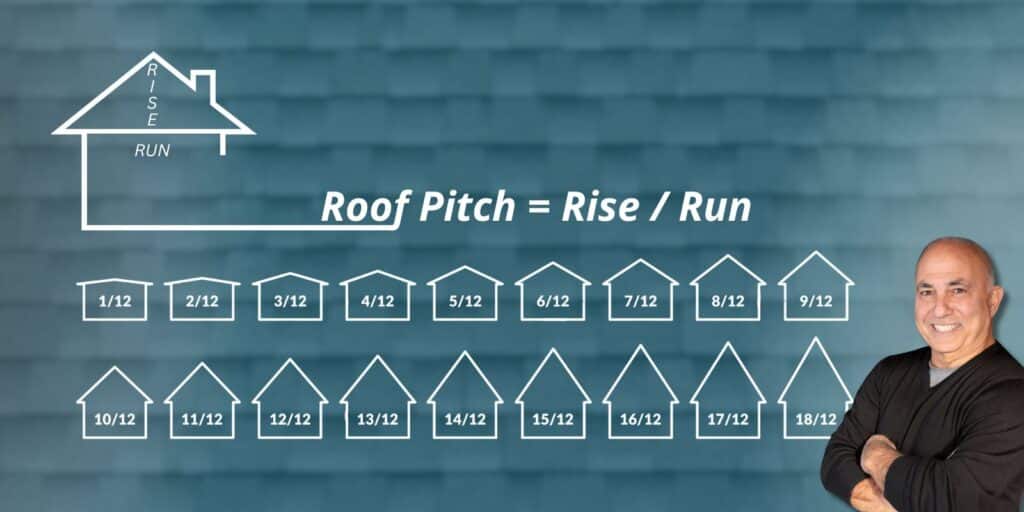
Roof pitch describes how steep a roof is. It is usually written as a ratio such as 4 over 12 or 8 over 12.
The first number shows how many inches the roof rises vertically. The second number shows how many inches it runs horizontally.
A roof with a 6 over 12 pitch rises 6 inches for every 12 inches of horizontal distance. Roof pitch exists for functional reasons. It controls how water and snow leave the roof and helps determine what materials can be used.
Roof pitch is not a cosmetic detail. It is a structural and performance feature that affects the entire roofing system. It also affects how accessible the roof is for inspection and maintenance.
Why Roof Pitch Matters in New England Homes
Roof pitch directly affects how water drains, how snow accumulates, how materials age, ideal maintenance, and how safely a roof can be inspected.
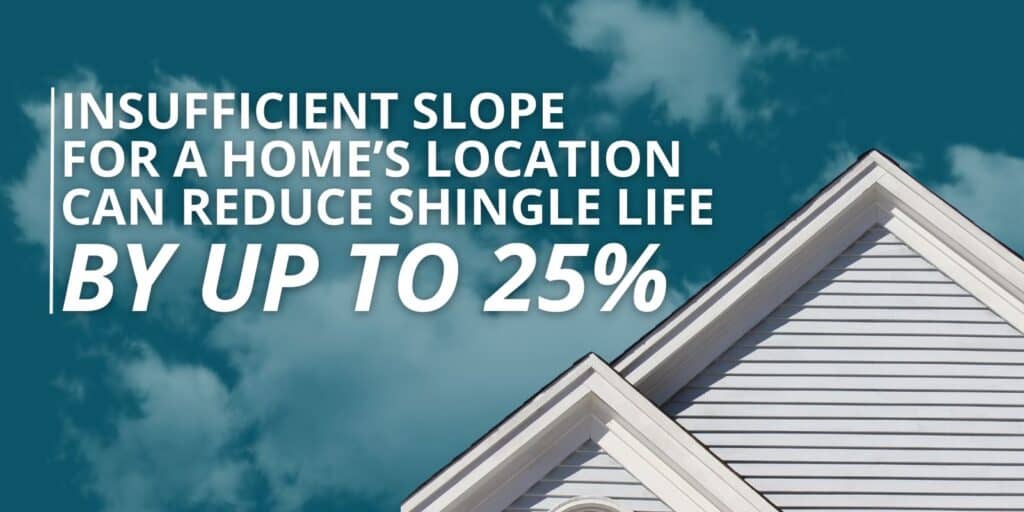
Some industry reports suggest that improper roof pitch can reduce shingle life by up to 25% compared with roofs that drain effectively.
Drainage and Moisture Control
Steeper roofs allow water to drain more quickly. Lower-pitched roofs move water slowly, which increases the chance of pooling, seepage, and moisture intrusion.
According to the Insurance Institute for Business and Home Safety, slow-draining roofs are more vulnerable to leaks during extended rain or snowmelt.
In New England, prolonged moisture exposure is a major contributor to roof damage.
Snow Load and Ice Dams
Roof pitch influences how snow accumulates and how long it stays on the roof.
Lower-pitched roofs tend to hold snow longer, increasing weight and stress. When snow melts and refreezes, ice dams can form along roof edges. Ice dams can force water under shingles and into the attic or wall cavities.
Steeper roofs allow snow to shed more easily, reducing buildup and the risk of ice-related damage.
Freeze-Thaw Stress
Repeated freeze-thaw cycles are common in northern climates. Water that enters small gaps can freeze, expand, and widen openings over time.
Roof pitch affects how long moisture stays on the surface and how likely it is to refreeze in vulnerable areas.
Why Home Inspectors Pay Attention to Roof Pitch
Roof pitch affects how inspectors evaluate the roof and what they can safely observe.
Inspection Access and Safety
Some roofs are too steep or high to walk safely. In those cases, inspectors use alternative methods such as ground-level observation, ladders, binoculars, or drone imagery when available.
This does not mean the roof is skipped. It means the inspection approach changes to prioritize safety while still providing meaningful observations.
Interpreting Roof Conditions
Roof pitch helps inspectors understand why certain wear patterns exist.
Lower pitch areas may show:
- Increased staining
- Granule loss
- Moss or algae growth
- Signs of moisture retention
Steeper sections may show different wear patterns related to wind exposure or fast-moving water.
Inspectors use roof pitch as context rather than as a stand-alone judgment.
How Roof Pitch Influences Roofing Materials
Not all roofing materials perform well at every pitch.
For example:
- Asphalt shingles require a minimum slope to shed water properly
- Metal roofing often performs better on steeper roofs
- Very low slope roofs may require membrane systems rather than shingles
If roofing materials are not well-matched to the roof pitch, problems are more likely to develop. Inspectors consider this relationship when evaluating roof conditions.
How to Calculate Roof Pitch Without Getting on the Roof
Homeowners can estimate roof pitch safely without climbing onto the roof.
Measuring Roof Pitch from the Attic
If the attic is accessible, this is often the safest method.
Steps:
- Bring a level and a tape measure
- Hold the level horizontally against a rafter
- Measure 12 inches along the level
- Measure the vertical rise from the rafter to the level
If the rise measures 7 inches over 12 inches of run, the pitch is 7 over 12.
Measuring Roof Pitch from the Roof Edge
Another option is measuring from the exterior using a ladder.
Steps:
- Place a level horizontally at the roof edge
- Measure 12 inches along the level
- Measure the vertical distance from the roof surface
This should only be done when it can be done safely.
Using Roof Pitch Apps or Tools
Some smartphone apps estimate pitch using sensors or photos. These tools can provide rough estimates but are not always exact.
Inspectors rely on multiple observations and context rather than a single measurement.
Common Roof Pitch Ranges and What They Suggest
| Roof Pitch | General Characteristics |
| Low slope | Slower drainage, higher moisture risk |
| Moderate | Balanced drainage and accessibility |
| Steep | Faster drainage, limited walkability |
Roof pitch alone does not determine roof condition, but it helps explain performance trends.
What Roof Pitch Can Tell Home Buyers
For buyers, roof pitch helps set expectations about maintenance and risk.
A lower-pitched roof may:
- Be more prone to ice dams
- Require closer monitoring for leaks
- Limit material replacement options
A steeper roof may:
- Shed snow and water more efficiently
- Be harder to access for maintenance
- Require professional access for repairs
Understanding roof pitch helps buyers interpret inspection findings more clearly.
What Roof Pitch Can Tell Home Sellers
For sellers, roof pitch affects preparation and disclosure planning.
Knowing your roof pitch helps you:
- Understand inspection limitations
- Anticipate buyer questions
- Address drainage or ice dam concerns ahead of time
Addressing known issues before listing can help reduce negotiation delays after an inspection.
How Roof Pitch Shows Up in Inspection Reports
Roof pitch often appears indirectly in inspection reports.
Inspectors may reference pitch when explaining:
- Why can certain areas not be walked on?
- Why are moisture patterns present?
- Why were specific materials used?
- Why are certain maintenance recommendations made?
Understanding pitch helps homeowners read inspection reports more accurately.
Common Misunderstandings About Roof Pitch
- Steeper roofs always last longer
Pitch helps with drainage, but installation quality and maintenance matter more. - Low-slope roofs are defective
Low-slope roofs can perform well when properly designed and maintained. - Roof pitch determines inspection results
Pitch provides context, not a pass or fail outcome.
Other Roof Questions Buyers and Sellers Often Ask
Does roof pitch affect attic ventilation?
Yes. Pitch influences attic space and airflow potential.
Does roof pitch impact energy efficiency?
Indirectly. It affects insulation depth and ventilation design.
Can roof pitch change over time?
The pitch itself does not change, but structural movement can affect roof lines.
When to Call a Professional
If you are buying or selling a home, a professional inspection helps put the roof pitch into proper context.
A licensed home inspector evaluates roof pitch alongside materials, drainage, flashing, attic conditions, and visible defects. This full picture is far more useful than pitch alone.
Alpha Building Inspections provides pre-purchase and pre-listing inspections to help buyers and sellers understand roof conditions clearly and realistically.
Conclusion
Roof pitch plays a larger role in a home’s performance than many people realize. It affects drainage, snow buildup, inspection access, material performance, and long-term durability.
For buyers and sellers in New Hampshire, Massachusetts, and Maine, understanding why roof pitch matters and how to calculate it provides meaningful insight before an inspection or move. Book a visit with the Alpha team today.