Proper dryer vent installation protects your family from fire, keeps your home safe during inspections, and helps your dryer last longer.
In New Hampshire and Maine homes, where many properties have older construction and long vent runs, getting this detail wrong can cause costly problems at closing and after you move in.
Why Dryer Vent Installation Matters So Much
Proper dryer vent installation is one of the most important safety details in a home that many owners overlook. It affects fire safety, indoor air quality, energy efficiency, and whether your home passes a professional inspection.
When a dryer vent is installed incorrectly, lint builds up inside the vent, heat cannot escape properly, and the dryer works harder than it should. Over time, this raises the risk of a dryer fire and can cause damage to walls, ceilings, and other parts of the home.
In a home inspection, a poorly installed dryer vent is a common defect that ends up in the report and can become a sticking point in negotiations for buyers and sellers.
How Dryer Vents Work In Your Home
A dryer vent moves warm, moist air and lint out of your dryer and to the exterior of your home. The system is simple, but it must be installed correctly to be safe.
Most systems include:
- The dryer itself
- A short, metal transition duct from the dryer to the wall
- A rigid or semi-rigid metal duct that runs through walls, floors, or ceilings
- An exterior vent hood with a damper on the outside of the house
The goal is to create a short, straight, and smooth path for air and lint to move from the dryer to the outdoors. In many New Hampshire and Maine homes, especially older properties, the laundry area is in a basement or interior room.
That often leads to longer vent runs, multiple turns, or creative routing that can create safety hazards if not done correctly.
Common Dryer Vent Installation Errors Inspectors See
Home inspectors in New Hampshire and Maine see many of the same dryer vent issues day after day. Knowing these mistakes helps you avoid safety problems and inspection surprises.
Using the Wrong Vent Material
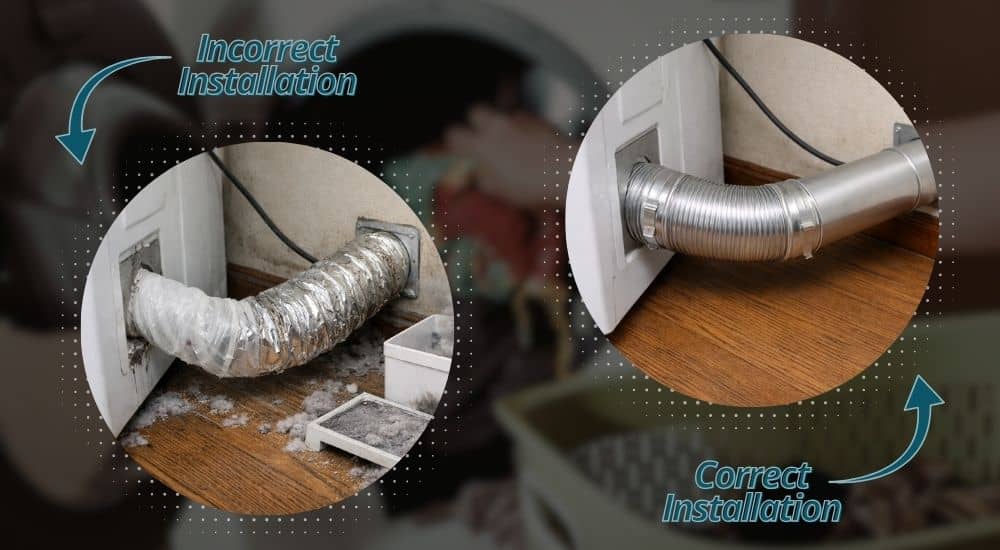
One of the biggest problems is using materials that are not rated for dryer vent use. You may see:
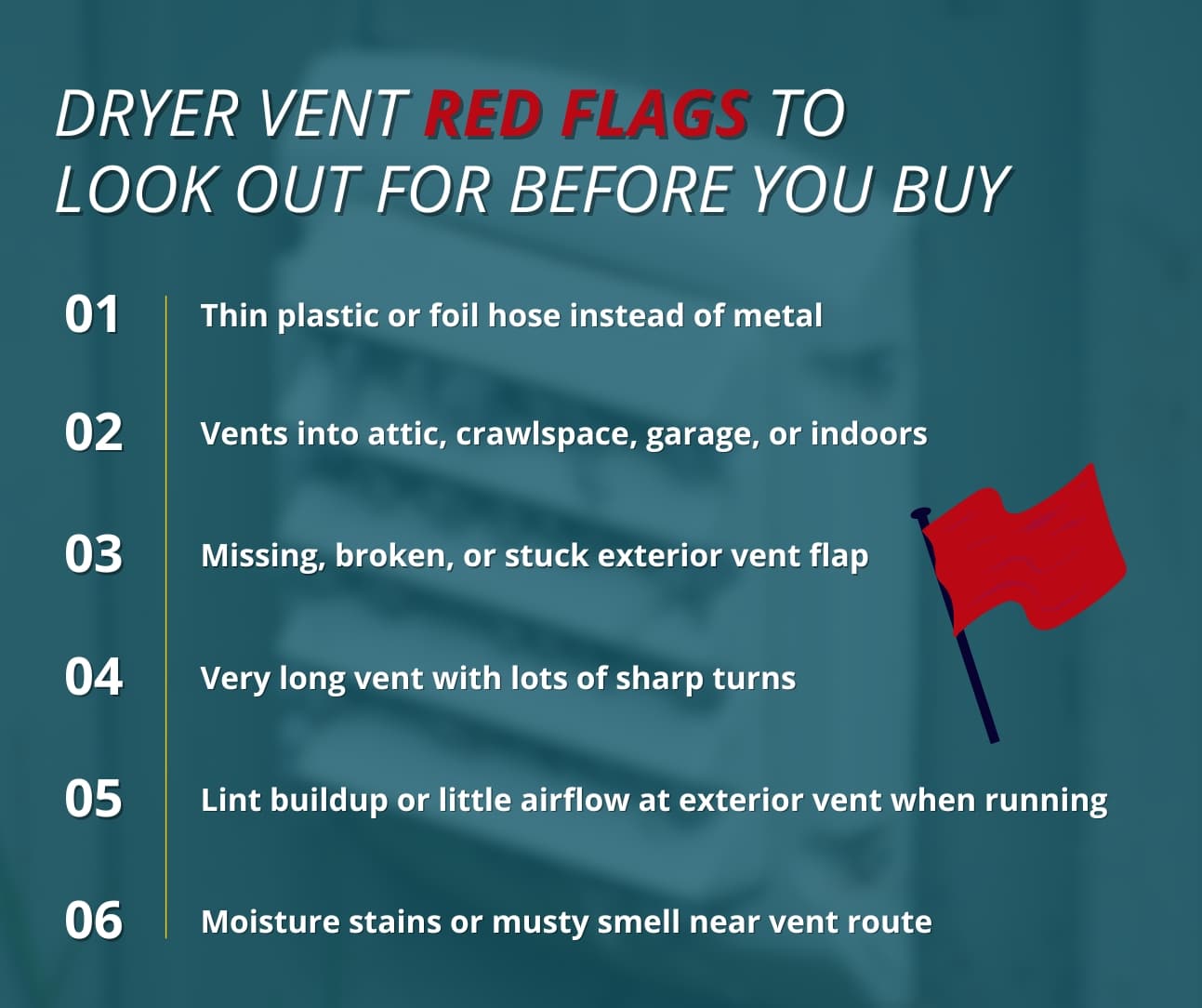
- Thin, plastic, or vinyl flex duct
- Foil “accordion” style flexible duct
- Indoor “dryer boxes” that vent into a room
These materials can sag, trap lint, melt, or catch fire. Best practice is a smooth-wall, rigid metal duct, or in some cases, semi-rigid metal, for the short connection between the dryer and the wall.
If your vent looks like a flimsy, flexible hose running across the basement or crawlspace, it is likely a red flag for an inspector.
Vents That Are Too Long or Have Too Many Turns
Every bend or extra length of duct adds resistance, which slows airflow and traps lint. In many New England homes, inspectors see:
- Long runs from the basement laundry rooms to the distant exterior walls
- Multiple tight elbows to get around framing
- Vents that zigzag through joists
Manufacturers often limit the total length of a dryer vent, with adjustments for each elbow. If your system has several sharp turns and runs across half the house, it is more likely to clog and overheat. This is something that will be noted in a home inspection report.
Venting Into Attics, Crawlspaces, or Garages
A dryer should vent to the outside, not into the attic, crawlspace, garage, or a closed porch. When warm, moist air from the dryer is dumped into these spaces, it can:
- Cause mold or mildew on framing and insulation
- Lead to wood rot over time
- Attract pests that like warm, lint-filled areas
Inspectors often find “quick fixes” where a vent just ends in an attic or under the home. This may have been done to avoid cutting a hole in the exterior, but it creates serious moisture and air quality issues, and it will not pass a thorough inspection.
No Exterior Vent Hood or Damper
A proper exterior vent hood includes a damper that opens when the dryer runs and closes when it stops. When this is missing or damaged, you can end up with:
- Cold air back-drafting into the home
- Pests and small animals entering the vent
- Extra moisture and debris are entering the duct
In coastal and rural parts of New Hampshire and Maine, birds and small animals often nest in open vents. This clogs the duct, increases fire risk, and is a common defect found during home inspections.
Sharing a Vent or Connecting to Other Systems
Dryer vents should not be shared with bathroom fans, kitchen vents, or HVAC systems. Each of these needs its own dedicated duct. When they are tied together to save time or material, you can have:
- Moisture and lint are collecting in the same duct
- Backflow of air and odors
- Higher risk of clogs and fire
If your home has a dryer connected to another exhaust vent, it will almost always be flagged as improper installation.
Safety Risks From Poor Dryer Vent Installation
The biggest concern with improper dryer vent installation is fire. Lint is extremely flammable. If it builds up in a hot, restricted vent, one spark or overheating dryer can start a fire in your walls or ceiling.
According to the U.S. Consumer Product Safety Commission, about 15,500 clothes dryer fires occur each year, causing around 10 deaths, 310 injuries, and more than 84 million dollars in property damage.
Beyond fire risk, there are other safety and comfort issues:
- Excess humidity inside the home, which can lead to mold
- Hot laundry rooms that put stress on the dryer and nearby finishes
- Carbon monoxide concerns for gas dryers if the exhaust is not properly vented
For home buyers in New Hampshire and Maine, these issues are more common in older homes, multi-family properties, and homes where laundry rooms were relocated without proper planning.
A detailed home inspection is often the first time buyers learn that their “new” home has an unsafe dryer vent setup.
How Dryer Vent Problems Affect Home Inspections
Dryer vents are a standard item in professional home inspections, especially for full home inspections that include mechanical systems. When an inspector from Alpha Building Inspections evaluates a home, they will typically look for:
- Proper vent material and secure connections
- A clear, direct path to the exterior
- A functioning exterior vent hood with a damper
- Signs of lint buildup, moisture, or staining
- Evidence of previous overheating or scorching
If problems are found, they will be noted in the report along with the level of concern. This can range from a recommended improvement to a more serious safety defect.
For buyers, these notes can be used to request repairs or credits. For sellers, unresolved vent issues can slow negotiations or reduce buyer confidence.
Signs Your Dryer Vent May Be Installed Incorrectly
You do not need to open walls to suspect dryer vent problems. A few common signs include:
- Clothes take longer to dry than they used to
- The dryer feels very hot on the outside after a normal cycle
- The laundry room is hot and humid when the dryer runs
- You see lint building up around the dryer, wall connection, or exterior vent
- You smell a burnt or “hot dust” odor when the dryer is on
In New Hampshire and Maine’s cooler seasons, condensation on nearby windows or walls when the dryer runs can also suggest that the moist air is not venting properly. If you notice any of these signs, it may be time to have the vent checked or upgraded.
Simple Maintenance Steps Homeowners Can Take
While a proper installation is critical, routine maintenance keeps your system working safely. Here are easy tasks most homeowners can handle:
- Clean the lint filter after every load
- Check the exterior vent regularly and clear any visible lint
- Make sure the damper flap moves freely and is not jammed
- Gently vacuum behind and under the dryer a few times a year
- Inspect the visible duct for kinks, crushing, or damage
If your dryer vent path is long, includes multiple turns, or runs through hard-to-reach areas, a professional dryer vent cleaning every year or two is a smart investment, especially in older homes or multi-family buildings.
Dryer Vent Installation Best Practices Inspectors Like To See
A safe, inspection-friendly dryer vent installation follows a few key best practices:
| A layout that allows regular maintenance and professional service | Rigid or semi-rigid metal duct, no plastic or flimsy flex duct |
| Short, direct vent path | Minimal length and turns from dryer to exterior wall |
| Exterior termination | Vent hood with damper on an outside wall, not attic or crawl |
| Sealed metal connections | Joints secured with metal tape, not regular duct tape |
| Accessible for cleaning | Layout that allows regular maintenance and professional service |
Other Home Inspection Issues Linked To Dryer Vent Problems
Dryer vent issues rarely show up alone. Inspectors often find related concerns in the same areas of the home. Some common examples include:
- Moisture staining or mold on the basement or laundry room walls and ceilings
- Poor bathroom fan venting into attics or crawlspaces
- Improper kitchen exhaust ducting in older New Hampshire and Maine homes
- Insufficient attic ventilation that worsens moisture problems from a misrouted dryer vent
When you schedule a full home inspection with a company like Alpha Building Inspections, the inspector evaluates how all these systems interact, not just the dryer vent in isolation.
Other Related Questions Homeowners Ask
How often should I have my dryer vent professionally cleaned?
Most homes benefit from a professional cleaning every one to two years, depending on how often you do laundry, how long the vent run is, and whether you have pets that shed. Heavy-use households may need annual service.
Can I run my dryer vent through the roof?
Roof terminations are sometimes used, but they must be installed correctly to avoid leaks and clogs. In snowy New England climates, roof vents can be harder to access and maintain, so a side wall termination is often preferred when possible.
Is a longer drying time always a vent issue?
Not always. It can also be a failing dryer or an overloaded machine. However, if your dryer is in good shape and loads are normal, slow drying is often a sign of poor venting or buildup.
Should I replace the flexible foil vent behind my dryer?
If you have foil or plastic behind your dryer, upgrading to a UL-listed semi-rigid metal transition duct is usually a smart move that improves safety and inspection readiness.
When To Call a Professional
You should call a professional when you are not sure how your vent is routed, if you see signs of overheating or moisture damage, or if an inspector has already flagged vent concerns in a report. A qualified home inspector can help you understand what you have and how serious the issue is.
For buyers and sellers in New Hampshire and Maine, scheduling a full home inspection with Alpha Building Inspections is an effective way to catch dryer vent problems, along with other critical systems such as roofing, foundations, electrical, plumbing, and HVAC. After the inspection, you can share the report with a licensed contractor or specialist to correct any installation issues.
If your home has an older laundry setup, a recent remodel, or an added second-floor laundry, it is especially important to have the vent path evaluated. Complex routes through walls and ceilings can hide problems that only a trained inspector or qualified professional will spot.
Conclusion
Proper dryer vent installation is a small detail that has a big impact on your home’s safety, comfort, and inspection results. When the vent is installed correctly and maintained regularly, you reduce fire risk, avoid moisture damage, and help keep your dryer running efficiently.
If you are buying, selling, or simply want peace of mind in your New Hampshire or Maine home, schedule a home inspection with Alpha Building Inspections. A thorough inspection will review your dryer vent along with the rest of your home’s major systems, so you can make smart decisions, plan any needed repairs, and protect your investment with confidence.