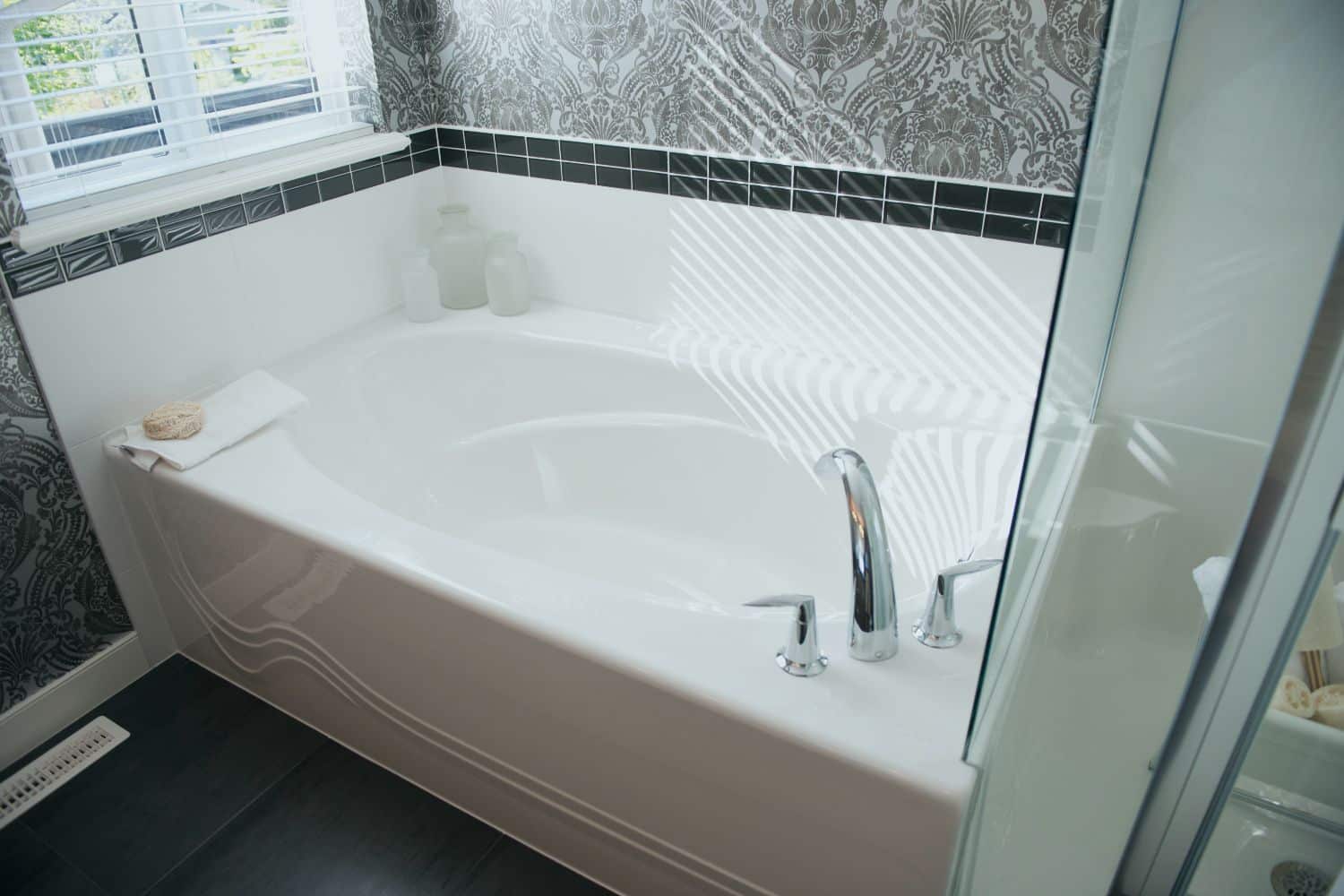
A bathtub faucet that will not turn all the way off is a common problem, especially in older homes throughout New Hampshire, Massachusetts, and Maine.
What may start as a slow drip often turns into constant running water that wastes water, increases utility bills, and raises concerns about moisture damage.
This issue also comes up frequently during home inspections. Inspectors regularly encounter dripping or running bathtub faucets and document them as plumbing concerns.
This guide explains why a bathtub faucet may not shut off completely, what inspectors look for, what we can and cannot evaluate, and why it matters for buyers, sellers, and homeowners.
What It Means When a Faucet Will Not Fully Shut Off
When a bathtub faucet continues running after the handle is turned off, water is still passing through the valve assembly inside the wall.
The handle itself does not stop the water. It controls internal components that are meant to seal the flow.
From an inspection standpoint, a running faucet indicates:
- Internal wear inside the plumbing fixture
- Possible corrosion or mineral buildup
- Deferred maintenance
- Ongoing moisture exposure
According to the EPA, household leaks waste nearly one trillion gallons of water nationwide each year. Dripping faucets are one of the most common sources of that waste.
Inspectors treat a running faucet as a visible symptom that deserves documentation and context, not just as a nuisance.
Let’s discuss some of the most likely causes behind the issue.
Worn Washers and Cartridges Inside the Valve
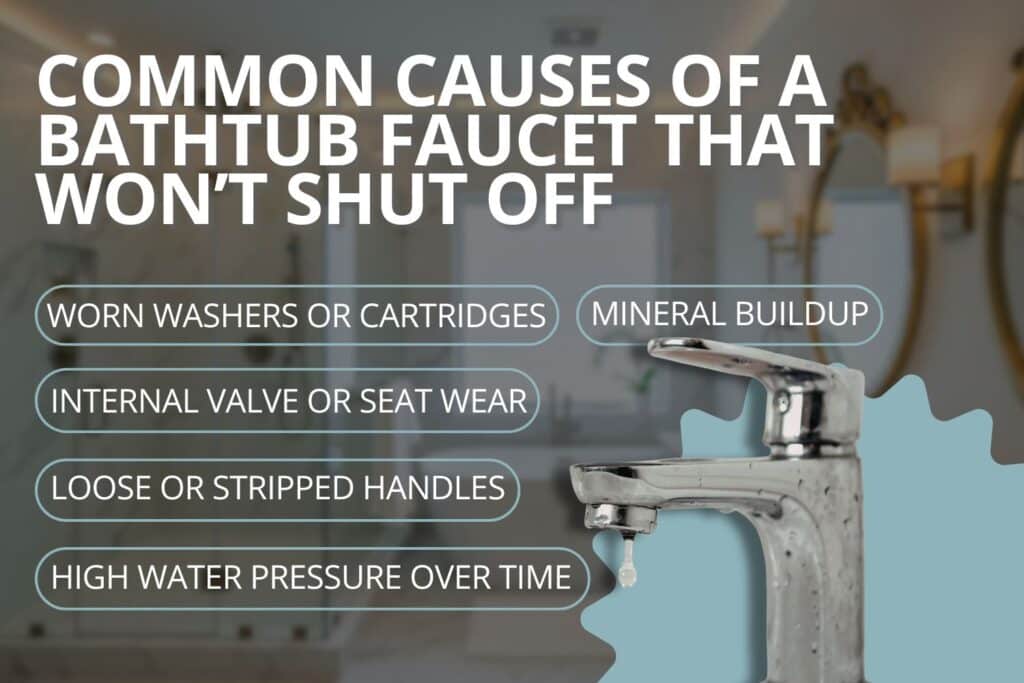
One of the most common reasons a bathtub faucet will not shut off completely is a worn washer or cartridge.
These components:
- Create the seal that stops water flow
- Wear down through normal use
- Degrade faster when exposed to mineral-heavy water
Many older New England homes still use washer-based valve systems. Rubber washers compress and deteriorate over time, especially in homes that have not had recent plumbing updates.
During a home inspection, inspectors do not remove handles or disassemble valves. Instead, they operate the fixture normally and document improper shutoff behavior, explaining that worn internal components are a likely cause.
Corrosion and Mineral Buildup in Plumbing Fixtures
Minerals in water slowly build up inside plumbing fixtures. Over time, this buildup can prevent valves from sealing tightly.
Common signs inspectors notice include:
- Stiff or hard-to-turn handles
- Grinding or resistance when closing the faucet
- Dripping that worsens over time
In parts of Massachusetts and New Hampshire, mineral content in water supplies contributes to faster buildup. Inspectors often consider whether similar wear is visible at other fixtures when evaluating overall plumbing condition.
This type of wear usually reflects long-term aging rather than sudden failure.
Valve Seat Damage and Internal Wear
The valve seat plays a key role in controlling water flow. It sits between the valve and the spout and helps form a tight seal when the faucet is off.
Valve seat damage may result from:
- Long-term mineral buildup
- Corrosion
- General age and use
Because valve seats are inside the plumbing assembly, inspectors cannot see them directly.
However, persistent running water combined with other signs often leads inspectors to note internal valve wear as a probable cause.
Loose or Worn Faucet Handles
In some cases, the faucet handle itself contributes to the problem. A loose or stripped handle may no longer fully engage the valve stem.
This can happen when:
- Internal threads wear down
- The handle spins without tightening
- Replacement parts are mismatched
Inspectors test handles gently during inspections. If a handle does not operate properly, it is documented as improper operation rather than repaired on-site.
High Water Pressure and Accelerated Wear
Water pressure plays a major role in how quickly plumbing components wear out. Excessively high-pressure strains washers, cartridges, and valves.
The International Association of Plumbing and Mechanical Officials recommends residential water pressure remain below 80 psi.
Pressure above that level increases the risk of leaks and fixture failure.
Inspectors may suspect pressure-related concerns when multiple fixtures show similar wear or leaking patterns, even though inspectors typically do not adjust or modify pressure settings.
What Home Inspectors Can and Cannot Evaluate
Understanding the inspector’s role is important. Home inspectors evaluate visible and accessible components without altering the home.
Inspectors can:
- Operate faucets normally
- Observe leaks and improper shutoff
- Note corrosion or visible wear
- Document moisture indicators around fixtures
Inspectors cannot:
- Open walls or ceilings
- Disassemble plumbing fixtures
- Diagnose exact repair methods
- Test for mold inside wall cavities
- Repair or replace components
At Alpha Building Inspections, findings are documented clearly so homeowners understand what was observed and what may require further evaluation by a qualified professional.
Why Inspectors Take Issues Like This Seriously
A running bathtub faucet is rarely viewed as an isolated problem. Inspectors look at how the issue fits into the broader condition of the plumbing system.
A dripping faucet may suggest:
- Aging plumbing throughout the home
- Deferred maintenance habits
- Increased risk of hidden moisture
- Potential future repair costs
The Insurance Information Institute reports that water damage is one of the most common and costly homeowners’ insurance claims. Even small leaks contribute to long-term risk.
Inspectors document these conditions to provide context, not to predict outcomes.
Hidden Moisture and Wall Cavity Concerns
One of the biggest concerns with a running faucet is water movement behind the wall. Even slow leaks can introduce moisture into wall cavities over time.
This can lead to:
- Damp insulation
- Wood rot
- Mold-friendly conditions
Ongoing moisture significantly increases the likelihood of mold growth. Bathrooms are especially vulnerable due to frequent water use and limited ventilation.
Inspectors look for indirect signs such as staining, soft materials, or musty odors that may indicate moisture beyond the fixture itself.
How Issues Like This Appear in Inspection Reports
When inspectors encounter a running bathtub faucet, it is documented based on what can be observed without invasive testing.
Inspection reports typically include:
- A description of the issue
- Photos showing the running or dripping faucet
- Notes explaining potential causes
- A recommendation for repair or further evaluation
The report does not specify exact repair steps or costs. Instead, it explains the condition and why it matters. This helps buyers and homeowners understand the issue without crossing into contractor territory.
Clear documentation allows buyers, sellers, and homeowners to decide how to proceed based on accurate information.
Why This Matters for Buyers and Sellers
For buyers, a running faucet can:
- Signal broader plumbing wear
- Influence repair negotiations
- Raise questions about maintenance history
For sellers, unresolved plumbing issues can:
- Appear as deferred maintenance
- Trigger buyer concerns during inspections
- Lead to last-minute repair requests
Addressing small plumbing issues before listing often helps inspections go more smoothly and reduces friction during negotiations.
Inspectors provide neutral documentation that supports transparency on both sides of a transaction.
Is This a Simple Fix or a Larger Plumbing Issue?
Some bathtub faucet issues involve straightforward component replacement. Others point to deeper wear inside the plumbing system.
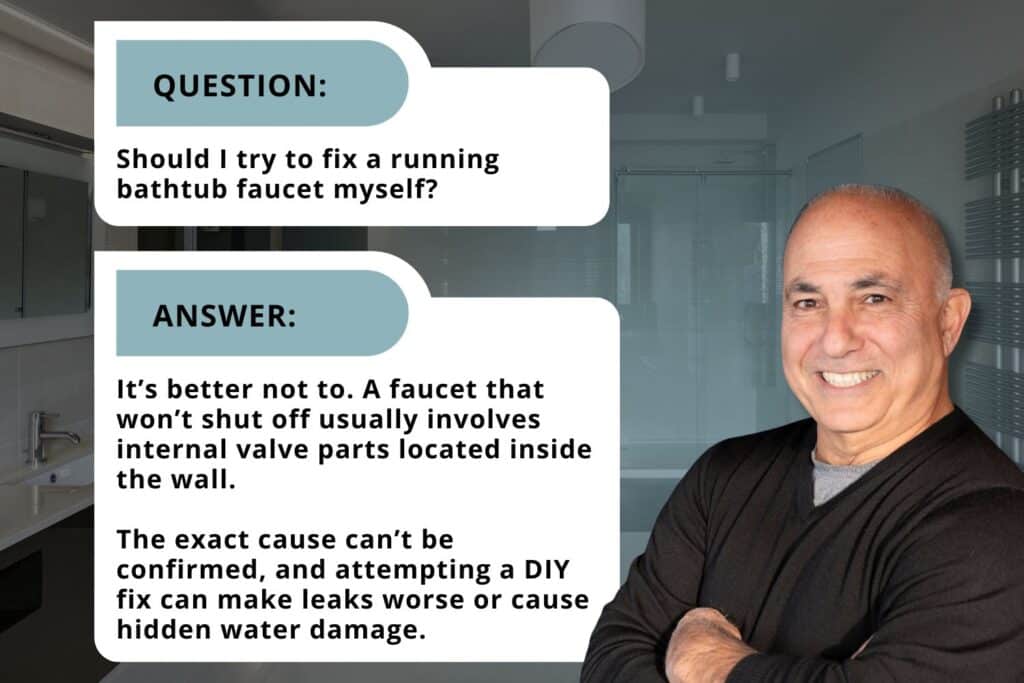
What inspectors will not do is recommend do-it-yourself repairs. Improper repairs can worsen leaks or cause damage inside the wall.
Situations that suggest a larger issue include:
- Continuous running water
- Multiple leaking fixtures
- Difficulty shutting off water
- Signs of moisture damage
Inspectors help identify when symptoms appear isolated versus when they suggest system-wide wear that needs professional evaluation.
Related Questions to Explore
What plumbing issues are commonly flagged during home inspections?
Leaks, improper shutoff, corrosion, and aging materials are among the most frequently documented plumbing concerns.
Do inspectors check water pressure during an inspection?
Inspectors observe signs of pressure-related wear but do not modify pressure settings or plumbing components.
Can plumbing issues affect other areas of the home?
Yes. Ongoing leaks can contribute to moisture problems, structural damage, and indoor air quality concerns.
Are plumbing problems more common in older homes?
Older homes often show more wear due to aging materials, outdated components, and long-term use.
When to Call a Professional
Knowing who to call matters.
Call a home inspector, such as Alpha Building Inspections, when:
- Buying or selling a home
- You want a professional assessment of visible conditions
- You need documentation of plumbing concerns
Call a licensed plumber when:
- Repairs or replacements are needed
- Leaks persist or worsen
- Internal components require service
Inspectors identify and explain issues. Plumbers perform repairs. Each role supports informed decision-making when used correctly.
Conclusion
A bathtub faucet that will not turn all the way off is a common issue with clear underlying causes.
Worn components, mineral buildup, valve wear, and pressure concerns are frequent contributors, especially in older New England homes. While the issue may seem minor, ongoing water flow increases the risk of moisture damage and long-term plumbing wear.
If you are buying, selling, or maintaining a home in New Hampshire, Massachusetts, or Maine, Alpha Building Inspections helps you understand what you are seeing and why it matters.
Schedule an inspection with Alpha Building Inspections to get clear, professional insight into your home’s condition before small issues grow into larger ones.