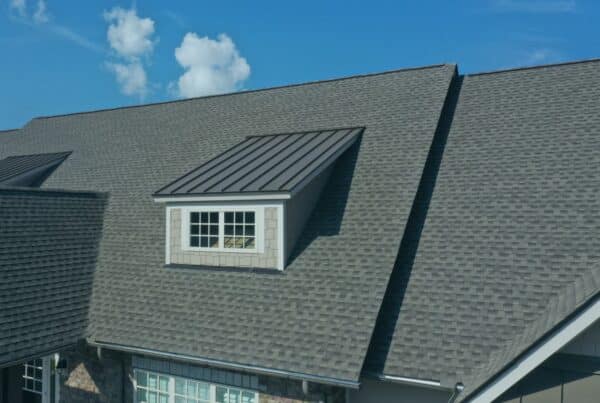
New England autumn is the best time to prepare your home for the freeze-thaw cycles, heavy snow, and ice dams that define winter here. The season gives homeowners a narrow window, usually six to eight weeks, to clean gutters, seal air leaks, service the furnace, and catch small problems before the first hard freeze locks them in place.
At Alpha Building Inspections, we have inspected homes across New Hampshire, Massachusetts, and Maine for over 20 years, and fall is consistently when we find the issues that turn into expensive winter repairs.
This guide covers the fall maintenance tasks that matter most, the winter problems they help prevent, and when to schedule a professional inspection before the snow flies.
Why New England Autumn Is Prime Time for Home Maintenance
New England autumn matters for home maintenance because it is the last stretch of mild, dry weather before freeze-thaw cycles and heavy snow start stressing your roof, foundation, gutters, and pipes. Temperatures here swing widely between October and December, and that swing is exactly what causes the most damage.
Water gets into a small crack, freezes, expands, and widens the crack. Repeat that cycle a dozen times over a New England winter and a hairline crack in your foundation or driveway becomes a real repair.
Fall also gives you visibility you will not have once snow covers the roof and yard. You can still see loose shingles, gaps in flashing, and clogged gutters from the ground. Once the first storm hits, those same problems are hidden until they show up as a leak or an ice dam.
The math on this is straightforward. A gutter cleaning that costs a few hundred dollars can prevent thousands of dollars in water damage from a clogged, overflowing system. The U.S. Department of Energy recommends cleaning gutters, sealing air leaks, and checking your furnace as core fall prep steps, and every one of them costs far less than the repair it prevents.
New England is not one climate. Coastal homes in Massachusetts and Maine deal with salt air and wind-driven rain on top of freeze-thaw cycles, while inland and mountain areas of New Hampshire see deeper snow loads and longer stretches below freezing.
Older homes throughout the region, many built before modern insulation codes, tend to need closer attention to attic insulation and air sealing than newer construction.
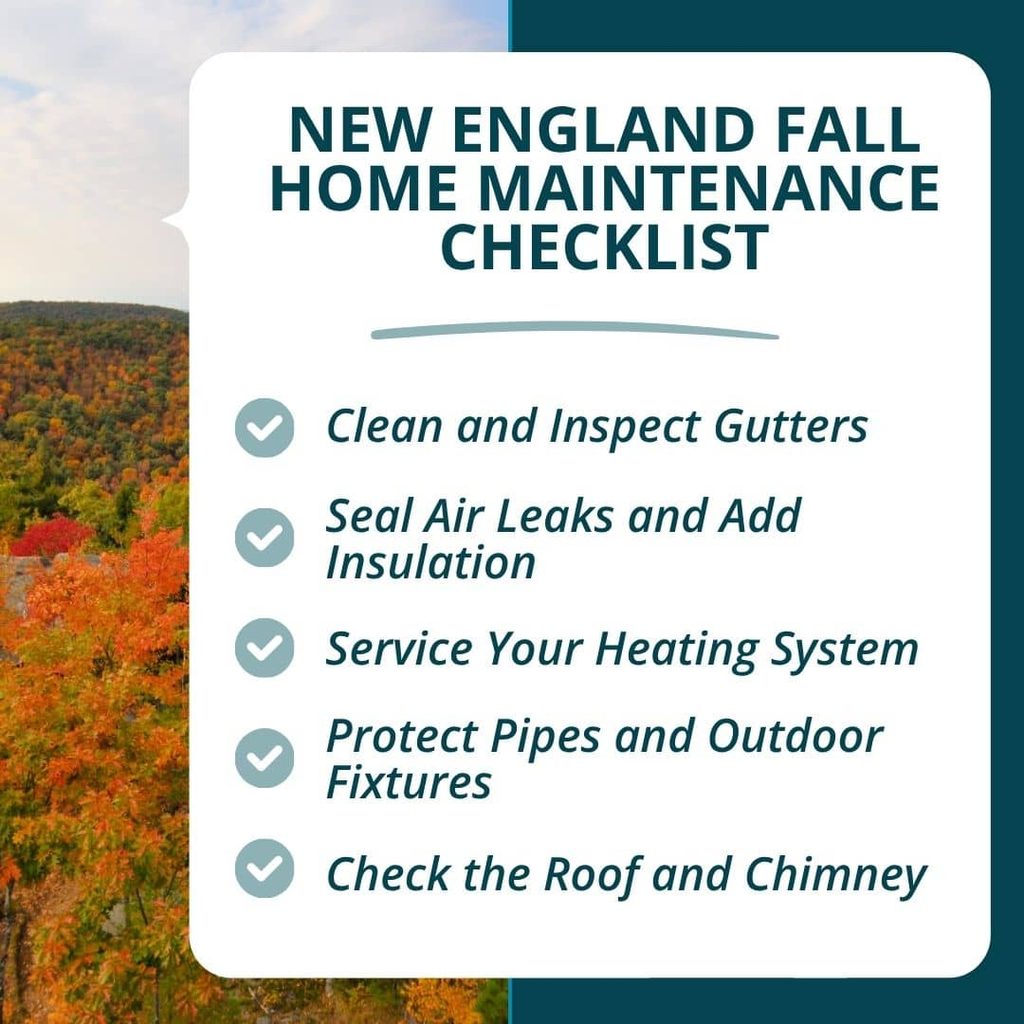
Your New England Fall Home Maintenance Checklist
Clean and Inspect Gutters
Clogged gutters are one of the most common causes of ice dams in New England. Clear out leaves and debris, then flush gutters and downspouts with a hose to confirm water drains freely. While you are up there, check for sagging sections, loose brackets, and any gaps where water could back up under the roofline.
Seal Air Leaks and Add Insulation
Warm air leaking into your attic from the living space below melts snow on the roof unevenly, which is exactly how ice dams form. Check attic insulation depth and look for gaps around recessed lighting, attic hatches, and top plates. Weatherstrip doors and windows, and caulk any visible gaps around exterior trim.
Service Your Heating System
Have your furnace or boiler professionally serviced and inspected before you need it. This should happen every year regardless of how the system performed last winter. Replace the filter, and if you use oil or propane heat, confirm your fuel delivery plan is in place before the first cold snap.
Protect Pipes and Outdoor Fixtures
Disconnect and drain garden hoses, then shut off and drain exterior faucets if your home has that shutoff. Wrap any exposed pipes in unheated spaces, such as a crawlspace or garage, with foam insulation sleeves. This is a small task that prevents one of the more disruptive winter repairs: a burst pipe.
Check the Roof and Chimney
Walk the exterior and look up at the roof from the ground for missing, curling, or damaged shingles. Check chimney flashing and mortar joints for cracks, since autumn rain will find any gap before winter freezes it open. If you have a wood-burning fireplace, schedule a chimney sweep before you use it for the season.
Quick-Reference Checklist
| Task | Why It Matters | Best Timing |
|---|---|---|
| Clean gutters and downspouts | Prevents ice dams and roof backup | Late September–October |
| Seal air leaks, check attic insulation | Reduces uneven roof melting and heat loss | October |
| Service furnace or boiler | Confirms safe, efficient operation | September–October |
| Insulate exposed pipes, shut off outdoor spigots | Prevents frozen or burst pipes | October–early November |
| Inspect roof, flashing, and chimney | Catches damage before snow hides it | September–October |
Common Fall and Winter Issues in New England Homes
Ice Dams
Ice dams form when heat escaping from your attic melts snow on the upper roof, and that meltwater refreezes at the colder eaves, building a ridge of ice.
Water backs up behind the ridge and can work its way under shingles and into your attic or walls. The fix starts with attic insulation and ventilation, not the ice itself.
Freeze-Thaw Cracking
Water that seeps into small cracks in your foundation, driveway, or masonry expands as it freezes and pushes the crack wider.
Over a New England winter, with dozens of freeze-thaw cycles, a hairline crack can turn into a structural or drainage problem. Sealing cracks in fall, before the first freeze, is far cheaper than repairing the damage in spring.
Frozen Pipes
Pipes running through unheated or poorly insulated spaces, like exterior walls, crawlspaces, and garages, are the most likely to freeze during a hard cold snap. Frozen pipes can crack or burst as the ice inside expands, and a burst pipe can release hundreds of gallons of water into your home before anyone notices.
Insulating exposed pipes and keeping a consistent indoor temperature are the most effective preventive steps.
How a Fall Home Inspection Helps You Catch Problems Early
A fall home inspection gives you a clear, professional look at your roof, attic, foundation, and major systems while the weather still allows a full exterior walkthrough.
Inspectors can spot early warning signs, like inadequate attic ventilation, minor roof damage, or foundation cracks, before winter conditions make them worse or hide them from view entirely.
This is especially useful if you recently bought an older New England home. Many homes in this region are decades, if not a century or more, old, and their insulation, roofing, and drainage were not always built to today’s standards.
An inspection tells you exactly where your home is vulnerable heading into winter, so repairs can be planned and budgeted instead of handled as emergencies in January.
The American Society of Home Inspectors points out that cold weather actually makes some problems easier to spot, since drafts, weak insulation, and heating issues show up under real winter stress in ways they do not during warmer months. A fall inspection sets that baseline before the cold arrives.
We’ve been licensed New Hampshire home inspectors since 2004, and in that time I have walked more attics with too little insulation and too much moisture than I can count.
It is almost always the same story: a homeowner who planned to “get to it next fall” and ran out of falls.
Steve Mangekian, Owner and Lead Inspector, Alpha Building Inspections.
When to Schedule Your Fall Inspection
Late September through October is the sweet spot for a New England fall inspection. The weather is still mild enough for a thorough exterior and roof assessment, and you will have time to complete any recommended repairs before temperatures drop consistently below freezing.
Waiting until November often means competing with contractors who are already booked solid ahead of the first storms.
Related Questions to Explore
When is the best time to get a home inspection before winter?
Late September through October is ideal in New England. The mild fall weather makes it easier to fully assess the roof and exterior, and you will still have time to schedule repairs before winter weather sets in.
What causes ice dams in New England?
Ice dams form when heat loss from the living space warms the upper roof deck enough to melt snow, while the eaves stay below freezing. The meltwater refreezes at the cold edge and builds a ridge that traps more water behind it. Poor attic insulation and ventilation are the usual root causes. For a closer look at how eaves and ventilation factor in, see our guide to roof eave maintenance.
How do you prevent frozen pipes in winter?
Insulate pipes running through unheated spaces, keep a consistent indoor temperature, and let faucets drip during extreme cold snaps if pipes run along exterior walls. Draining and shutting off outdoor spigots in the fall also removes one common failure point. We cover more of the warning signs in our post on frozen pipes.
How much does a home inspection cost?
Cost varies by home size, age, and location, but a standard home inspection in New England typically runs a few hundred dollars. It is a small cost compared to the repairs it can help you avoid heading into winter.
What should I check in my gutters before fall ends?
Confirm gutters and downspouts are clear of leaves and debris, check that water drains away from the foundation, and look for loose brackets or sagging sections. Clogged gutters are one of the most preventable causes of ice dams.
Can a fall inspection catch roof damage before it snows?
Yes. A fall inspection is often the last chance to see the full roof surface, flashing, and gutters clearly from the ground and, when safe, up close, before snow cover hides problems until spring.
When to Call a Professional
Most fall maintenance tasks, like cleaning gutters or wrapping exposed pipes, are manageable as DIY projects. Call a professional when you notice sagging rooflines, active leaks, foundation cracks wider than a quarter inch, or signs of a chimney in poor repair. These issues tend to get worse, not better, once winter sets in, and catching them in fall gives you time to plan the fix.
If you want a full picture of where your New England home stands before winter, schedule a home inspection with Alpha Building Inspections. Our licensed inspectors serve New Hampshire, Massachusetts, and Maine, and every inspection comes with our 100% satisfaction guarantee.
Conclusion
New England autumn does not last long, so it pays to move through your fall maintenance checklist early. A few key takeaways:
- Clean gutters, seal air leaks, and service your heating system before the first hard freeze.
- Ice dams, freeze-thaw cracking, and frozen pipes are the three winter problems fall maintenance prevents most effectively.
- Late September through October is the best window for a professional fall inspection in New England.
If you would like a professional set of eyes on your home before winter, our team at Alpha Building Inspections is here to help homeowners across NH, MA, and Maine head into the cold season with confidence.